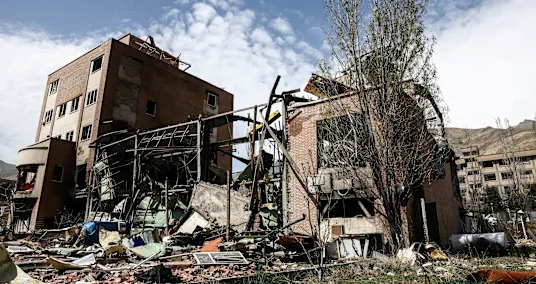
In Tehran, a city of nine million people, schools are closed, businesses are shuttered or struggling, and locals are living without a functioning air-raid warning system or public shelters. In many areas, the first sign of an incoming strike is the explosion itself.
There have been twice as many US and Israeli attacks on Iran compared to the number of Iranian retaliatory strikes since the war began — and the numbers killed in Iran have been orders of magnitude greater than in the neighboring Gulf states. A nationwide internet blackout, now entering its second month, has left civilians unable to access information about safety, shelter, and food and has meant some are unable to work. But while millions have fled Iran’s cities, many more are staying where they are. Some residents are hoping the US and Israeli bombs will cause the regime to collapse; others are left wondering if they are at risk if their neighbors are targeted.
For the many Iranians with ties to Dubai, there are other pressures, with Iranian nationals now barred from entering or transiting through the UAE. Residency permits, even for those with long-term Golden Visas, are reportedly being revoked without notice.

LATEST POSTS
- 1
 Instructions to Clean and Really focus on Your Lab Precious stone
 - 2It's your last chance to subscribe to Paramount+ before they raise their prices: Here's how to lock in current pricing
- 3US FDA unveils new pathway to approve personalized therapies
- 4The Ascent of the Kona SUV: How Hyundai's Reduced Hybrid Is Vanquishing the Streets
- 5Find the Advantages of Positive Nurturing: Supporting Cheerful and Sound Kids



- ONE returns to Red Sea with new service
- ‘Nahariya get ready’: Banner displaying Hezbollah threat mounted in Tehran’s Palestine Square
- General Atlantic says ‘biggest mistake’ would be pulling back on Gulf deals
- IDF Home Front Command extends siren warning times for Hezbollah rockets in North
- Instructions to Pick the Right Dental Embed Trained professional: An Exhaustive Aide
- Party Urban areas of the World
- Get away from the Tedious Drudgery: Go into Business Today!
- 4 Famous Attractions at Disneyland
- Vote In favor of Your Favored Treat