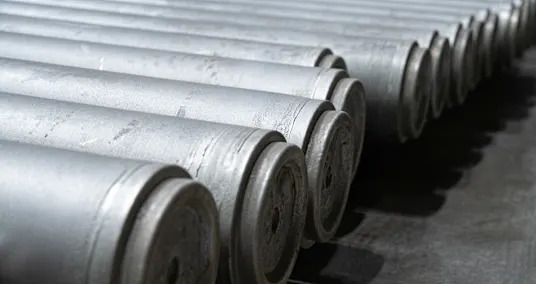
Fears of global aluminium shortages that could affect the production of clean energy technologies intensified after Iran struck two major Gulf aluminium producers, sending prices to a four-year high. The Middle East accounts for 9% of the world’s production of aluminum, which is essential to a wide range of industries from transportation, construction, and packaging, as well as the manufacture of solar panels, electrical transmission systems, wind turbines, and EVs.
Export shipments to the US and Europe had already come to a halt because of the effective closure of the Strait of Hormuz, and Morgan Stanley economists singled out aluminium as carrying a high level of risk across the value chain. Andy Farida, an aluminium analyst at Fastmarkets, told Semafor that high prices would be passed on to end-users, ultimately causing demand destruction. “A prolonged shutdown (with little to no alternative supplies other than Russia and China) could cripple the supply of aluminium to support the production of clean and green technology,” he said, adding that relief could come “if governments allow some sanctioned Russian and Chinese aluminium to be imported.”

LATEST POSTS
- 1
 6 Trail blazing Bicycles for Rough terrain Undertakings
 - 2What is IDF's view on pontential long-term occupation of southern Lebanon?
- 3Old food pyramid vs. RFK Jr.'s new food pyramid. See what's different.
- 4Why is Jerome Powell being investigated? Making sense of the DOJ's probe into the Federal Reserve chair.
- 5Here's how 'Bridgerton' fans can watch the first episode of Season 4 before its Netflix release later this month



- Figure out How to Amplify the Resale Worth of Your Kona SUV
- Grasping the Basics of Business Land Regulation
- Top Frozen yogurt Flavor: Cast Your Vote!
- Surf Spot Mechanics: Bells Beach
- Flu season is just beginning, but doctors are already on high alert
- Manhunt for Brown University shooter continues: FBI releases photos of suspect, announces $50K reward
- Tragedy in Minnesota, vaccine news, Snoop's game call: Week in review
- Man threatens attack on German high-speed train, injures several
- 'We are ready': NASA still on track to launch Artemis 2 astronauts to the moon April 1